The fresh forecasts on Western Australia’s population growth come from independent research organisation Bankwest Curtin Economics Centre, which tips the state to hit 3.5 million people by 2033.
With WA’s population currently sitting at just over 3 million, that means adding approximately 64,000 new residents to the state every year for the next 7 years to reach those numbers.
Such strong population growth is likely to have significant implications for Perth’s housing market, particularly when it comes to supply.
Supply continues to lag demand
Looking at the latest housing supply data from the Australian Bureau of Statistics, 22,123 homes were completed in WA in the year to September 2025 (Dec 2024-Sep 2025).
While that represents a solid level of building activity, it falls well short of what will be required if the state’s population reaches 3.5 million by 2033.
Based on current population forecasts and average household sizes, WA would need to be building closer to 27,000 homes per year to comfortably accommodate this growth.
At current levels, that equates to an annual shortfall of roughly 4,000 homes.
The outlook for new housing supply in the near term does not appear much stronger when looking at housing commencements, which are a key lead indicator of future supply.
In the year to September 2025, 22,608 homes commenced construction, suggesting new housing supply is also likely to remain below the required 27,000 homes annually over the next 12 to 18 months.
What does this mean for property investors?
It’s important to remember that these population projections are just that – projections.
No forecast can perfectly predict how economic conditions, migration trends, or policy settings may change over time.
At the same time, experienced property investors understand that housing markets move in cycles. Periods where demand outpaces supply are typically followed by phases where new construction eventually catches up.
However, based on the current data, it appears likely that Perth’s housing shortage will persist in the near to medium term.
If population growth continues along the forecast trajectory while housing supply remains constrained, the underlying imbalance between supply and demand is expected to remain a key factor supporting property prices across the Perth market.
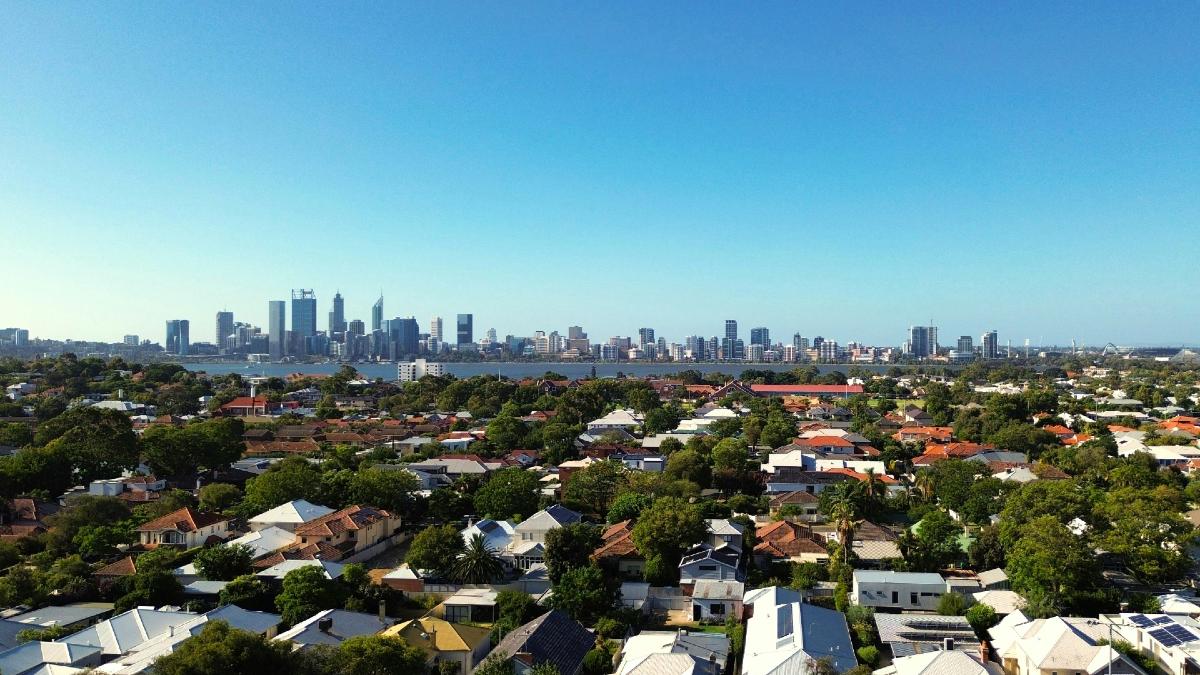
Image by Gaurab Shrestha on Pexels