The latest Cotality Regional Market Update shows regional dwelling values fell 2.0% in the three months to October, double the pace of the previous quarter's decline
The downturn was particularly pronounced in premium coastal and lifestyle destinations across regional Queensland and New South Wales.
Meanwhile, mining centres and more affordable regional markets in Western Australia and parts of South Australia and Northern Territory proved more resilient.
See also: Former investor hotspots lead Australia's housing downturn
According to Cotality head of research Gerard Burg, the trend reflects a growing divide between markets where affordability has deteriorated and those where buyers can still find relative value.
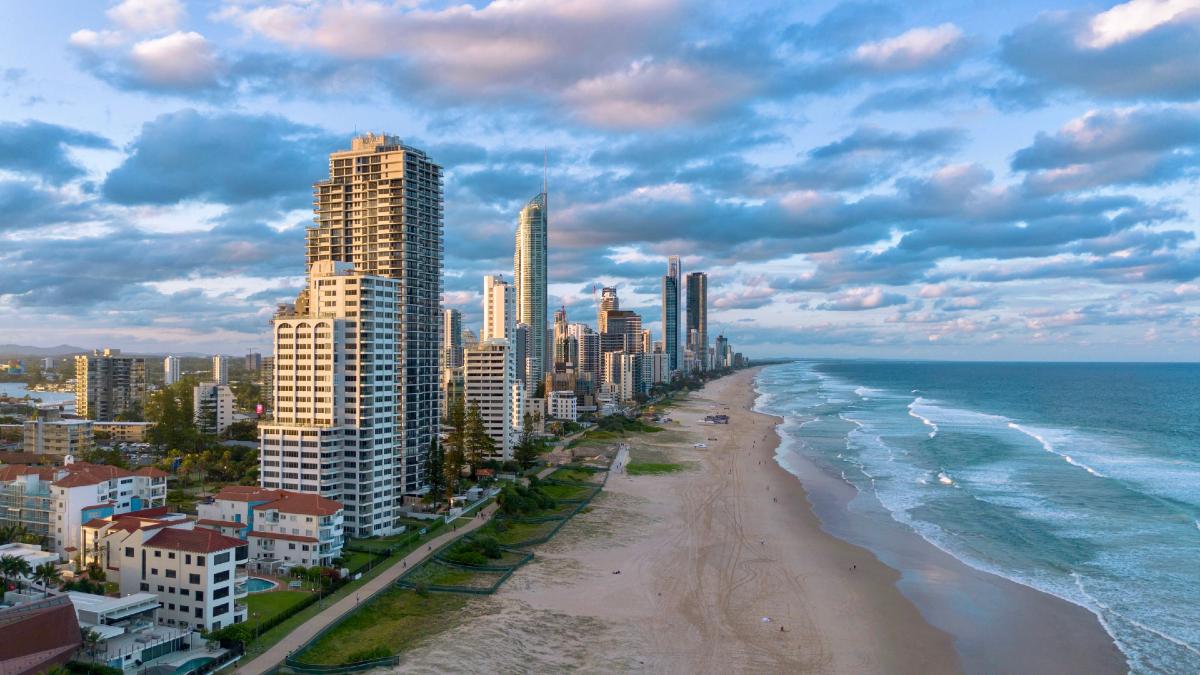
Among the weakest performers were SUAs in regional NSW and QLD, including Ballina (down 3.9%), Wollongong (down 3.8%), Gold Coast - Tweed Heads (down 3.7%), Morisset Cooranbong (down 3.7%) and Nelson Bay (down 3.2%).
"Some of the strongest performers of recent years are now recording substantial declines, while more affordable centres with stronger local economies are continuing to attract buyers," Mr Burg said.
Queensland leads regional downturn
Regional QLD dwelling values fell 2.7%, the steepest quarterly decline among all regional markets.
In addition to Gold Coast - Tweed Heads, other regional QLD centres also recorded substantial declines, including Bundaberg (down 3.1%), Maryborough (down 3.0%), and Gladstone (down 2.8%).
"Queensland's regional markets have previously experienced some of the strongest growth in the country, but that has made housing considerably more expensive," Mr Burg said.
"Relative affordability had helped support demand in regional Queensland, but strong price growth has eroded some of that advantage,” he added.
"Even in more affordable centres, buyers are becoming increasingly cautious about what they're prepared and able to pay."
Western Australia a tale of two extremes
The divergence between weakest and strongest performers is most evident in Western Australia, where investors have abandoned lifestyle hotspots for affordable markets.
WA coastal destination Busselton posted the steepest quarterly decline among the 50 largest regional centres, falling 4.1%.
Neighbouring Bunbury and Albany also recorded falls.
Mr Burg said values in the southwest of the state have risen more than 77% over five years, placing significant pressure on affordability.
While WA lifestyle destinations are feeling the effects of weak buyer demand and stretched affordability, Kalgoorlie-Boulder recorded the strongest quarterly growth nationally at 3.4%.
Kalgoorlie-Boulder is one of Australia's most significant gold-mining centres where houses remain relatively affordable, with a median dwelling value of $514,712.
Per Cotality, despite annual home price growth of 24.1% and a five-year increase of 65.1%, it remains among the lowest of Australia's 50 largest regional centres.
"Some of the southwest's strongest markets are adjusting after years of exceptional growth, while mining centres such as Kalgoorlie continue to benefit from local economic activity and confidence in the outlook," Mr Burg said.
Time to sell takes longer in the regions as well
Much like in the capitals, buyers in regional markets have gained greater negotiating power as time on market increased in 40 of the 50 largest centres.
Bowral-Mittagong recorded the longest selling time at 70 days, the highest vendor discounts at 5.6% and the weakest annual value performance, down 4.9%.
Batemans Bay (65 days) and Nelson Bay (64 days) were also among the slowest-selling markets,
Kalgoorlie–Boulder not only posted the strongest quarterly growth, it was also the fastest to sell at 11 days.
Rental yields rise as vacancies increase
Gross regional rental yields rose from 4.2% to 4.4%, compared with 3.8% across the combined capitals.
Kalgoorlie–Boulder recorded the highest gross yield at 7.8%, followed by Lismore (5.7%) and Mackay (5.5%).
Mr Burg warned that much of the improvement in rental yields reflects falling property values rather than stronger rental growth.
See also: Rental yields hit 11-year high as home prices fall
Regional vacancy rates rose from 2.1% to 2.3%, matching the capitals, while the number of major regional centres with vacancies below 2.0% fell from 20 to 16.
Regional rental growth also slowed, easing from 1.1% to 0.8% over the quarter.
"With vacancies rising, capital growth prospects weakening and financing costs remaining elevated, investors have more to consider when deciding where to buy,” Mr Burg said.
"The narrowing yield gap between regional markets and capital cities also makes the choice more complex."
Image by Daniel Reynaga on Pexels
