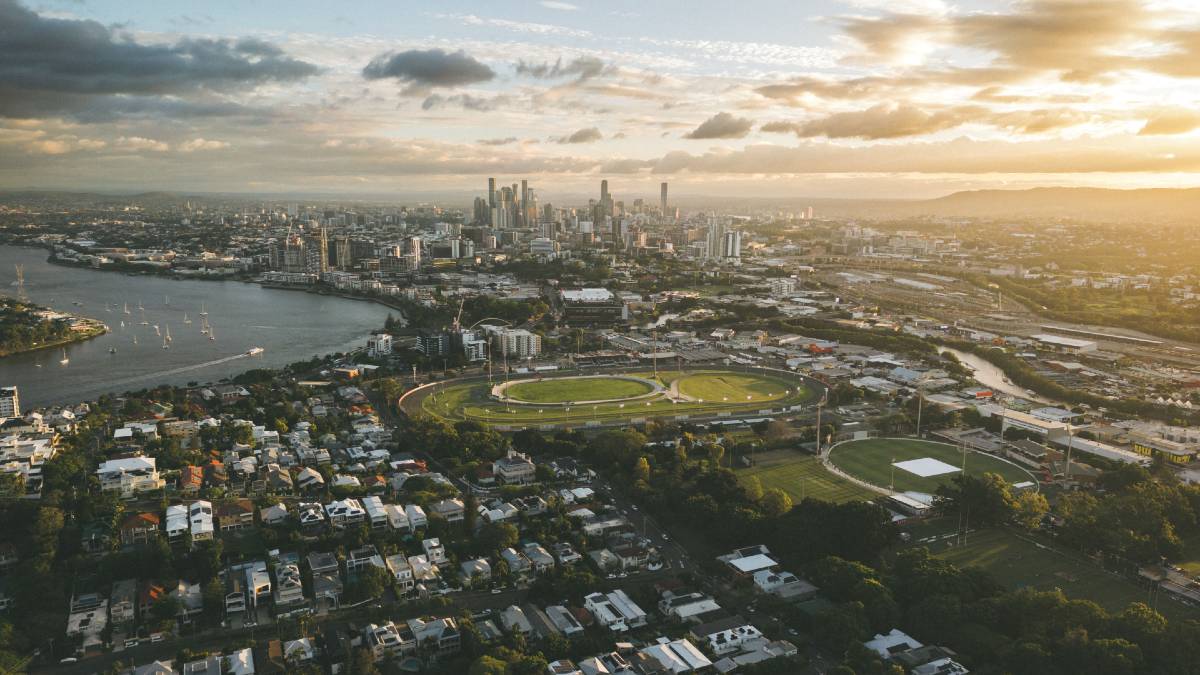
New research from Cotality and PropTrack published on Thursday revealed the correction is broadening beyond the large capitals, with former growth leaders Brisbane, Adelaide and Perth now experiencing some of the sharpest declines.
Cotality's national Home Value Index (HVI) fell 1.1% in September, pulling the national dwelling values 5.2% below their record highs in March 2026.
Unlike previous monthly declines when Sydney took the lead, Brisbane recorded the sharpest fall in September, with prices down 1.5%.
Sydney posted the second-largest drop over the month, with home values falling 1.4%, bringing its annual decline to 7%.
"Sydney continues to lead the housing correction, with values now 8.6% below their February peak," Cotality research director Tim Lawless said.
"The decline is marginally deeper than the equivalent stage of the 2022-23 downturn, highlighting how rapid demand has weakened across the nation's largest housing market," he added.
Adelaide and Perth also posted price falls past 1%, down 1.3% and 1.2%, respectively.
Canberra home values were also down 1.1%.
Meanwhile, Melbourne had a milder rate decline compared to mid-sized capitals, falling 0.7% in September.
According to Cotality, almost every capital city suburb (97%) was down in value over the past three months to September.
"The housing downturn reflects a combination of affordability constraints, higher interest rates, elevated living costs and weaker consumer sentiment, all of which have reduced purchasing capacity and dampened buyer demand," Mr Lawless said.
Similarly, PropTrack's Home Price Report showed all capital cities but Darwin and Hobart recorded price declines over the month.
REA Group senior economist Eleanor Creagh likewise pointed to higher interest rates weighing on borrowing capacity and buyer demand.
"Sydney and Melbourne remain the deepest corrections, but downward momentum has strengthened in Adelaide, Brisbane and Perth, where conditions had previously been more resilient," Ms Creagh said.
RBA rate hike adds fresh pressure
The latest reports reaffirming the housing slowdown came on the heels of the RBA raising the cash rate to 4.6%, taking borrowing costs to their highest level in 15 years.
Mr Lawless noted that higher mortgage rates would make it harder for some prospective buyers to satisfy serviceability requirements while adding to repayment pressures for existing borrowers.
"With household debt at high levels, borrowers are far more sensitive to interest rates compared with almost 15 years ago when interest rates were previously this high," Mr Lawless said.
"Borrowers are not only facing higher mortgage costs, but also an extended period of elevated living expenses and negative real income growth.
"Together, these pressures are narrowing the pool of buyers able to qualify for a mortgage and reducing the amount they can afford to pay."
Buyers retreat as listings pile up
Despite 'spring selling season' kicking off, the Cotality report revealed fewer homes are changing hands and properties are taking longer to sell.
The number of home sales over the past three months was 19.1% lower than a year ago nationally, with Brisbane, Sydney and Perth recording the sharpest declines in turnover.
"The sharp drop in sales has implications for the broader economy, with lower sales likely to hit some retail segments as well as stamp duty revenues for state governments," Mr Lawless said.
Total inventory across the combined capitals was 23.1% higher than a year ago, while the median time required to sell a home has increased to 39 days from 23 days a year earlier.
Ms Creagh said the spring selling season "has not delivered" the usual lift in momentum.
"Auction clearance rates remain soft, homes are taking longer to sell, and sales volumes remain below last year's levels," she noted.
"Together, these indicators point to weaker buyer demand and a widening gap between buyer and seller price expectations."
Builders pull back as housing shortage persists
Fresh data from the ABS showed total dwelling approvals fell 6.1% in August, highlighting the ongoing challenges facing the residential construction sector.
Lower apartment approvals drove the decline in dwellings excluding houses, falling 21.2% in August after a 0.8% rise in July.
"Queensland led the fall in apartment approvals in August," ABS head of construction statistics Daniel Rossi said.
Queensland only saw 337 apartments approved in August, significantly lower compared with 1,330 in the month prior.
Approvals for townhouses were also down, falling 20.7% to 2,546 dwellings in original terms.
See also: Buyers ditch the quarter-acre dream, shift to medium-density housing
Mr Lawless said persistently low levels of newly built housing supply remained an important offset to weaker housing demand.
"Elevated construction costs, capacity constraints and project feasibility challenges continue to limit the flow of new homes into the market," he said.
Even if approvals and commencements improve, lengthy construction timelines mean it could take years before additional supply reaches the market, according to Cotality.
Image by Marcus Ireland on Pexels